Pharmacology, drug development and clinical research
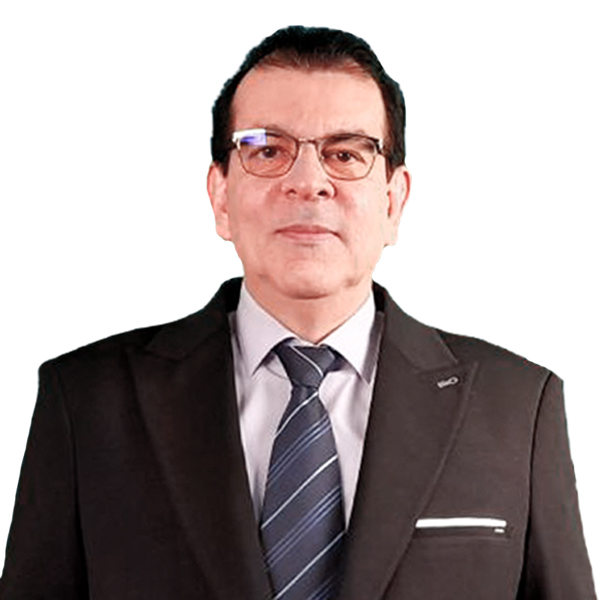
Dr. Reza Anari
- PharmD
- MSc, Pharmacology
- PhD, Pharmacology & Toxicology
Pharmacologist, pharmaceutical scientist and educator. Dr. Anari is PharmaDrills’ program developer and principal instructor, with academic appointments as Adjunct Associate Professor at the Medical University of South Carolina and Associate Professor & Acting Principal at ICRI Centre for Life Sciences & Professional Management in Singapore.
His teaching connects drug exposure, metabolism, pharmacological response, patient variability and medication safety—the reasoning chain learners need for clinical pharmacology and therapeutics.
- 92 LecturesDesigned and presented across pharmacology, therapeutics, drug development and clinical research at ICRI/Medical University of South Carolina.
- Research to clinical developmentExperience spanning drug metabolism and pharmacokinetics (DMPK) leadership, regulatory documentation and clinical-study management.
- 3 Merck awardsAwards for Excellence from Merck Research Laboratories in 2001, 2002 and 2004.
Why he built PharmaDrills
Teaching the principles behind therapeutic decisions
Dr. Anari developed PharmaDrills around a practical teaching priority: learners need a connected understanding of the general principles before working through clinical pharmacology and therapeutics.
Pharmacokinetics and pharmacodynamics deserve careful explanation and repeated application. Memorizing a drug name or mechanism is only a beginning. Learners also need to reason through exposure, response, individual variation and medication safety.
Module 1, General Principles of Pharmacology, combines those fundamentals in five courses. It provides the starting foundation for the later modules in the clinical pharmacology and therapeutics curriculum.
His research, industry experience and curriculum-development work inform this approach. Focused lessons and Smart Drills combine retrieval practice, clinical application and corrective feedback. Targeted review gives learners opportunities to address conceptual and reasoning gaps.
The program serves medical and other health-professions students, learners preparing for prescribing roles, practicing prescribers, and pharmaceutical and clinical researchers seeking a stronger foundation in basic and applied pharmacology.
Explore our mission, vision and values →Drug discovery, development & clinical research
Drug development and clinical research experience
His career has involved evaluating how compounds behave, supporting development decisions, and managing the work that connects research with clinical studies.
Merck · 2001–2006
From DMPK evidence to development milestones
As Senior Research Scientist and later Research Fellow, he served as a project representative and principal investigator on discovery and development programs.
He prepared pharmacokinetic analyses and documentation on absorption, distribution, metabolism and excretion (ADME), supporting investigational new drug (IND) and new drug application (NDA) programs. His contributions supported three leads reaching the IND stage within a year and an NDA submission for one development program.
Genelabs · 2006–2007
Lead selection and translational pharmacokinetics
As Associate Director of Drug Metabolism and Pharmacokinetics, he provided scientific input on lead optimization, selection and development decisions.
His work covered human pharmacokinetic projections, PK/PD modeling, toxicokinetics and dose modeling, contributing to the advancement of two optimized leads into development.
Adolor · 2007–2008
Scientific and departmental leadership
As Director of Drug Metabolism and Pharmacokinetics, he managed an annual departmental budget of US$1.5 million and five senior PhD staff.
He advised on preclinical and clinical development, human pharmacokinetic projections, PK/PD modeling, study protocols and regulatory submissions, coordinating across discovery, development and clinical teams.
Clinical research · 2011–2021
Clinical-study and project management
Subsequent roles included Proclin Therapeutic Research, Danone Research, Aesculape CRO, Quintiles (IQVIA) and PPD. His clinical research record includes oncology study programs and recognition for study leadership.
Earlier work at Wyeth-Ayerst Research, later part of Pfizer, supported drug safety, metabolism and pharmacokinetics in women’s health and cardiovascular discovery programs. At BRI Pharmaceutical Research, he served as a study director in bioanalysis and DMPK and secured a CAD$100,000 grant for P450 screening and drug-interaction prediction.
For PharmaDrills learners, this background connects foundational pharmacology to the decisions that follow: interpreting evidence, anticipating patient variability, selecting therapy and monitoring benefit, risk and safety.
Academic foundation
Education & research training.
- Pharmacy · 1988
Doctor of Pharmacy
Medical Science University of Mashhad, Iran
- Graduate training · 1993
MSc in Pharmacology
Dalhousie University, Faculty of Medicine, Canada
- Doctorate · 1997
PhD in Pharmacology & Toxicology
University of Toronto, Faculty of Pharmacy, Canada
- Postdoctoral fellowship · 1997–1999
Pharmaceutical research
University of British Columbia, Faculty of Pharmaceutical Sciences, Canada
Curriculum development
Curriculum design, assessment and academic leadership
From January 2010 to October 2012, Dr. Anari held dual academic appointments as Adjunct Associate Professor at the Medical University of South Carolina (MUSC) and Associate Professor & Acting Principal at ICRI Centre for Life Sciences & Professional Management in Singapore.
At ICRI, he taught MSc in Clinical Research students connected with MUSC across Singapore, the United Kingdom, India and the United States. As Assistant Coordinator for the MUSC program, he designed modules, learning outcomes, detailed syllabi and teaching materials, and maintained standards for delivery and assessment.
He chaired the Academic Board and Examination Board of ICRI Global Research and MUSC, with responsibility for faculty and staff development, quality assurance, examinations and academic review. He also designed the Postgraduate Diploma in Global Clinical Trial Management, approved by Singapore’s Council for Private Education (CPE).
He established collaborations with the Singapore Clinical Research Institute, the Pan-Asian Clinical Research Association, contract research organizations, pharmaceutical companies, SingHealth and academic institutions, and created open discussion forums on clinical research and translational medicine.
His 92 Lectures covered pharmacology, toxicology, therapeutics, translational medicine, drug discovery and development, regulatory guidance (ICH, GCP, GLP and FDA), clinical-trial design, study protocols, outcomes and endpoints, pharmacokinetic/pharmacodynamic modeling, regulatory documents including IB, IMPD, IND, NDA and CTD, pharmacovigilance and project management. This curriculum-development experience informs PharmaDrills’ progression from pharmacological principles to clinical therapeutic decisions.
University teaching & invited professional training
His teaching began with pharmacology, toxicology and pharmacy-practice instruction at Mashhad (1988–1990). Teaching assistantships followed at Dalhousie (1990–1993), Toronto (1993–1997) and UBC (1997–1999), covering pharmacology, receptor pharmacology, medicinal chemistry and pharmaceutical research techniques.
From 2014–2019, he delivered invited drug-development teaching in Singapore, including National University of Singapore and National Healthcare Group Good Clinical Practice course settings. He also provided oncology investigator and clinical-research-coordinator training at National Cancer Centre Singapore and National University Health System in 2014.
Scientific contributions
Research publications and book chapters
His authored and coauthored work spans drug metabolism, pharmacokinetics, toxicology and bioanalytical methods, with publications in journals including Analytical Chemistry, Drug Discovery Today, Pharmaceutical Research and Drug Metabolism and Disposition.
Analytical Chemistry · 2004
Metabolic prediction & metabolite identification
First-authored research integrating knowledge-based metabolic predictions with liquid chromatography and tandem mass spectrometry, demonstrated using indinavir.
Read the publication on PubMed →Drug Discovery Today · 2005
Metabolite prediction and mass spectrometry
Coauthored review: Bridging cheminformatic metabolite prediction and tandem mass spectrometry, with Thomas A. Baillie.
Read the publication on PubMed →Pharmaceutical Research · 2009
Human drug metabolism & elimination
Coauthored research on gaboxadol metabolism and renal elimination in humans, examining the roles of metabolic enzymes and transporters.
Read the publication on PubMed →
Book chapters
Contributions include Valproic Acid: Chemistry and Biotransformation in the Milestones in Drug Therapy series (1999), and a chapter on liquid chromatography–tandem mass spectrometry strategies for metabolite identification in Progress in Pharmaceutical and Biomedical Analysis, Volume 6 (2005).
Recognition
Awards & fellowships.
- Merck Research LaboratoriesThree Awards for Excellence · 2001, 2002 and 2004
- Javelin Gastric 300 study, QuintilesIMSKey Achievement recognition as Functional Lead · 2016
Bravo Award as Functional Lead · 2017 - Pfizer immuno-oncology studyLeadership recognition · 2018
- Academic fellowshipsDalhousie University Graduate Fellowship · 1990–1993
University of Toronto Open Fellowship · 1994–1996 - Ontario College of PharmacistsBursary · 1995
Ben Cohen Bursary Award · 1997
Clinical research standards
Training & professional engagement.
His professional training includes Good Clinical Practice through the NIH/NIDA Clinical Trials Network (2014) and the Barnett Expert GCP accreditation exam (2016), alongside protocol, serious-adverse-event reporting and electronic case-report-form training.
Professional affiliations over his career have included the American Society for Pharmacology and Experimental Therapeutics (ASPET), American Association of Pharmaceutical Scientists (AAPS), Society of Toxicology, Association of Clinical Research Professionals and Pan-Asian Clinical Research Association.
This experience supports PharmaDrills’ emphasis on careful reasoning, evidence interpretation, medication safety and the connection between foundational pharmacology and applied research.
Areas of expertise
- Pharmacology & toxicology
- Drug metabolism & pharmacokinetics
- Drug safety
- Drug discovery & development
- Clinical research
- Curriculum design
- Scientific & project leadership
Keep exploring
Related pages
Study the foundations of clinical pharmacology
Start with the 1st module, General Principles of Pharmacology. Its five courses are free during launch.